
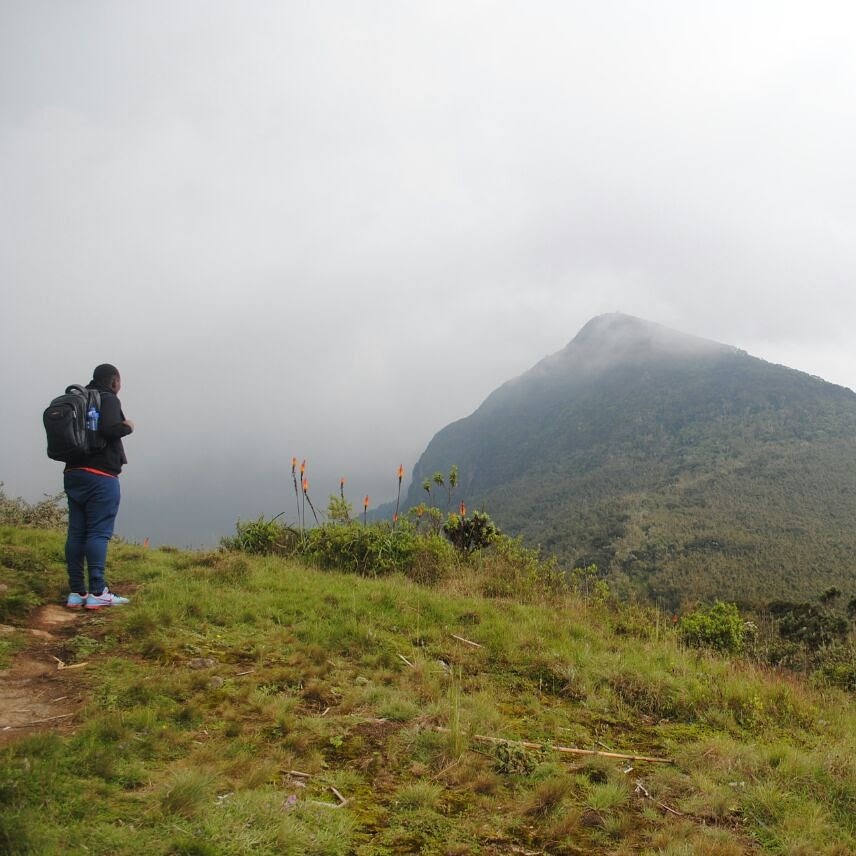
In a quiet village where tradition and healing intertwined, a young boy trailed his grandfather, the local herbalist, learning how to ease ailments with roots and leaves. That boy was Harrison. Those barefoot steps laid the foundation for a journey that would one day span continents, laboratories, and public health systems.
“From barefoot trails to global systems, Dr. Harrison’s path is a masterclass in purpose-driven science.”
Today, Dr. Harrison Ndung’u Mwangi is not just a consultant at Eureka—he is a bridge between ancestral wisdom and digital health transformation, between data and diagnosis. At Eureka, we are proud of the rich tapestry of consultants whose expertise shapes diagnostic ecosystems, drives policy innovation, and turns data into impact. Dr. Harrison’s journey reflects the power of combining curiosity with purpose. “I have always been curious—asking why, digging deeper, never settling for surface answers,” Harrison reflects.
That curiosity first led him into biomedical sciences, then to hospitals where he drew blood samples and asked uncomfortable questions: Why is the test negative when the patient is clearly unwell? Are we missing something? The urge to look deeper propelled him from practitioner to problem-solver. He pursued biochemistry and bioinformatics, then a PhD in structural biology—seeking not just to treat one patient, but to understand thousands at once. What if one diagnosis could reveal a pattern? What if one patient could shape better policy for millions?
Before joining Eureka, Harrison co-developed DNA software capable of transforming raw gene sequences into 3D visualizations, accelerating drug discovery and mutation tracking. His research spanned gut microbiomes, epigenetics, drug-binding sites, and genetic archetypes with the potential to revolutionize treatments.
After publishing more than 20 scientific papers, one question lingered: Then what?
“I realized I had all this knowledge—but unless it shaped policy, reached manufacturers, or changed how diagnostics were used on the ground, it wasn’t enough,” he reflects. That realization drove him beyond the lab bench to find where his science could change lives, not just papers.
When Harrison joined Eureka, he found it was a collaborative ecosystem where researchers, policymakers, and economists spoke a common language: impact.
At Eureka, Harrison could zoom out from the microscope and ask; What does this mean for a country’s diagnostics strategy? For clinics without resources? For the patients we’ll never meet—but must never forget?
He has supported diagnostic projects with FIND and WHO and helped shape policy across diseases and regions. In one of his projects on the Market Landscape for COVID-19 Diagnostics, his role was to gather both public and private data on procurement and diagnostics, as well as to assist in processing, analysing, and conducting Quality Assurance. He mapped the Chagas disease diagnostic landscape across Brazil, Bolivia, Colombia, and Paraguay, uncovering relevant data previously hidden in trade records that exposed tools that had not been previously tracked.
That work inspired Blistered Peaches, a homegrown analytics platform that evaluates diagnostics markets through trade data, revealing regulatory gaps, grey-market activity, and unmet needs, transforming obscure trade data into insights that show how diagnostics actually move across borders and reach, or fail to reach, those in need. “That tool is now helping countries shape procurement policies more responsibly,” Harrison says. “That’s impact.”
In Kenya and South Africa, his work on continuous glucose monitoring and test strips is driving shifts in local manufacturing. By analyzing market readiness, policy landscapes, and supply chain gaps, Harrison helped identify pathways to reduce dependency on imported technologies and strengthen domestic production. His guidance with WHO across HIV, hepatitis, and STI diagnostics is helping link fragmented systems into more coherent strategies.
Still, the biggest challenge he faces isn’t the science—it’s the system. “In the lab, I could create a diagnostic. But how do I get it to market? Who do I talk to? How do I protect it, price it, distribute it?”
At Eureka, he found those answers not in checklists, but in conversations. “Every stakeholder is different, some need a handshake and some a spreadsheet. The art is in listening first.”
That philosophy shapes everything he does—from mentoring postgraduate students to designing tools that influence global health decisions.
“It’s not just about publishing papers,” he says. “It’s about purpose. Science should help someone’s grandmother, child—someone who can’t afford to be unseen.”
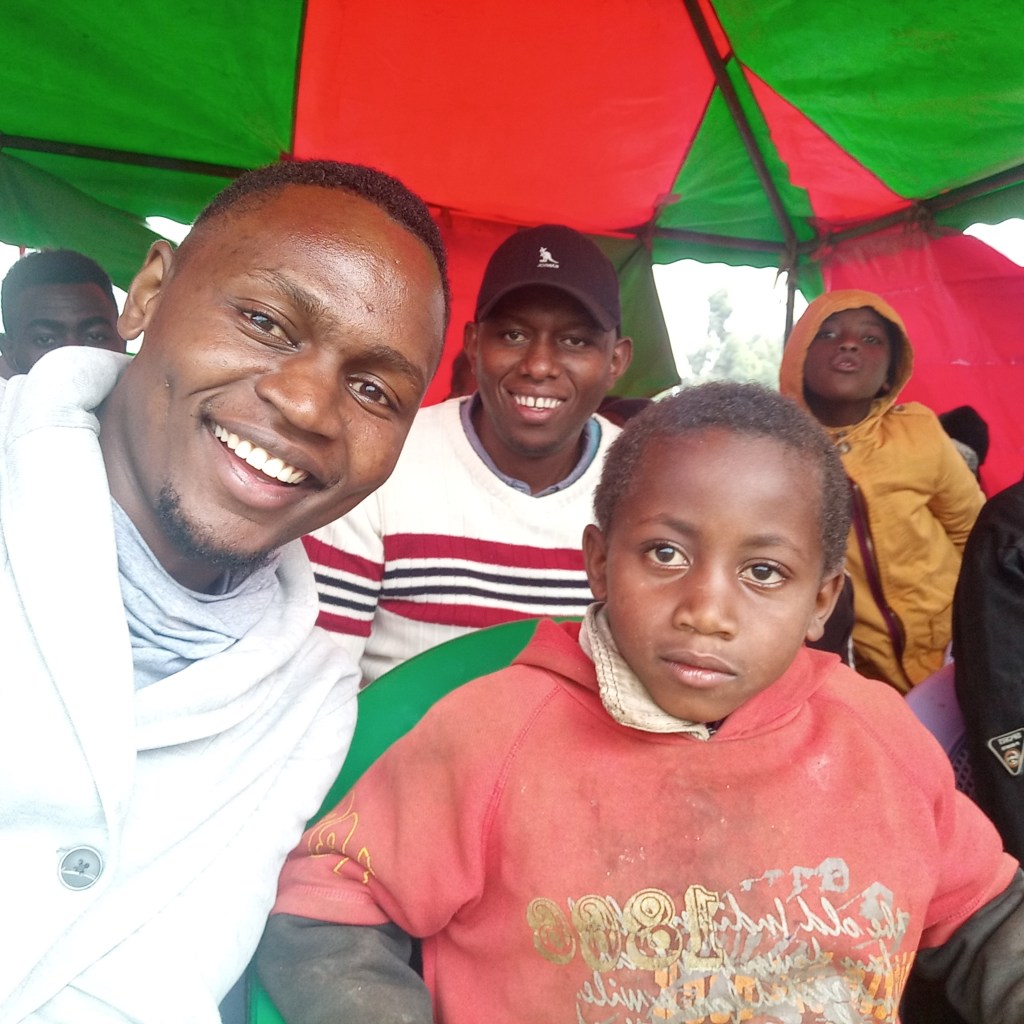
At Eureka, he’s not just a name on a report—he’s a quiet force helping shape how the world diagnoses, treats, and understands disease. And it all began with a boy walking beside his grandfather, learning that healing begins with listening, first to people, then to patterns.
Stay tuned for more stories of impact and innovation from the Eureka team. Follow us to see how our experts are shaping the future of global health.

Leave A Comment